Peptide Screening
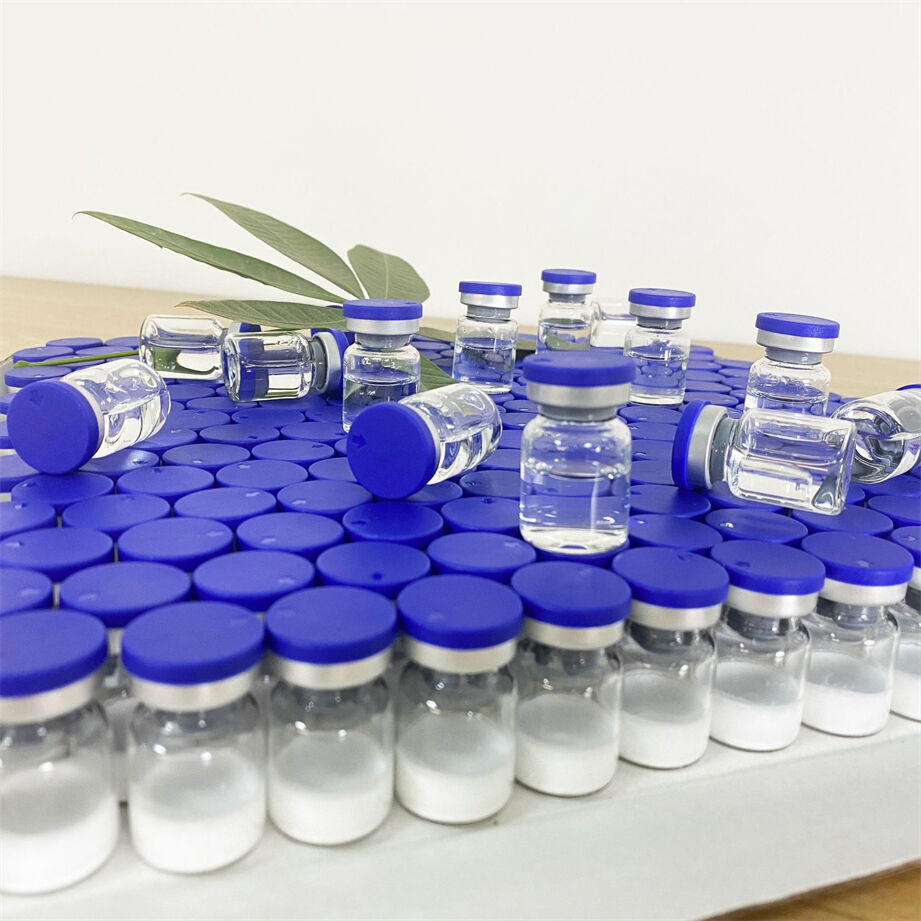
Peptide Screening: Hplc & Mass Spectrometry Pureness Confirmation
Top-tier labs typically report peptide pureness well above 95%, frequently ≥ 98-99%, by utilizing cutting edge HPLC and MS evaluations. They likewise check both raw materials and completed peptide vials, which aids capture any kind of impurities, deterioration products, or formulation variances. This level of detailed analysis guarantees the peptide's precision-- indicating the series and pureness are precisely as identified-- which is essential for speculative reproducibility. By verifying make-up through several confirmed approaches, laboratory recognition assurances that scientists get a high-purity peptide that will certainly do as expected in the lab. Relied on labs utilize tested screening methods to analyze peptide samples and verify their purity and chemical structure.Where can I send my peptides to test for pureness?
ACS Peptide Checking Labs is a specialist peptide evaluation laboratory that approves samples from all 50 states. Whether you need to examine peptide purity, confirm a distributor''s Certificate of Analysis, or run detailed pollutant screening, our lab offers quickly, exact results with in-depth coverage.
Digital Verification (Called For)
Keeping a high degree of purity is vital since contaminations can affect bioassays or reactions. For instance, trimmed peptides or chemically customized side-products might bind to targets or produce side effects that puzzle your outcomes. Subsequent destruction from improper storage, temperature exposure, or contamination during handling can lower top quality. The peptide storage overview covers appropriate handling that preserves top quality between screening and usage.Exactly How Is Peptide Purity Measured? (hplc And Mass Spectrometry)
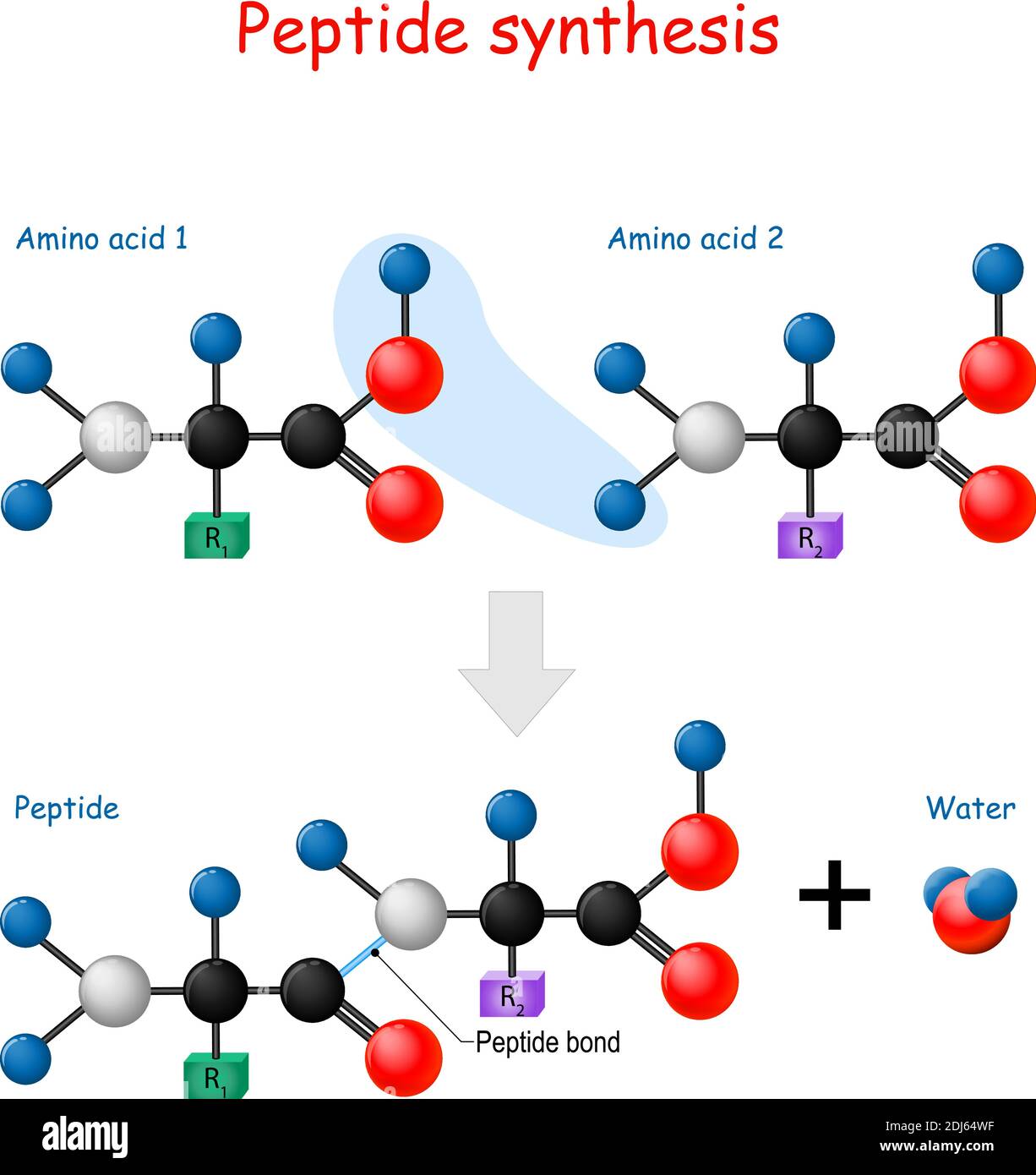
The ratio of major height to overall tops figures out the reported purity percent. Be cautious of COAs that offer a purity number with no sustaining chromatographic information, report Visit the website pureness without specifying the logical approach, or checklist a molecular weight without mass spectrometry verification. This matters because peptides are constructed one amino acid at a time with solid-phase peptide synthesis (SPPS). At each action, there's a tiny possibility that something goes wrong-- an amino acid doesn't affix, the incorrect alteration takes place, or a side reaction produces an unexpected result. Over a chain of 10, 20, or 40 amino Ipamorelin acids, those small per-step mistake prices compound. If each and every single step mosted likely to 100% conclusion, after that just the unabridged peptide would be created.- If you have actually ever obtained a synthetic peptide for a lab experiment, you've likely saw a purity percentage on the certification of evaluation-- usually values like 95%, 98%, and even 99%.
- This details either verifies product issues calling for supplier change or rules out product high quality, directing repairing in other places.
- The laboratory gives HPLC purity evaluation and mass spectrometry identity verification.
- By using a certified third-party laboratory, peptide manufacturers or scientists ensure an honest and skillfully recorded evaluation of high quality, which is precisely what inspectors look for.
- While not shills for "big pharma", we highly appreciate the large investment they make right into science, quality control, and quality control to decrease these threats for pharmaceutical drug users.